How Real-Time Data Streams Align with Wager Decisions in Professional Sports Seasons
Alex Werner · Nov 19, 2026
How Real-Time Data Streams Align with Wager Decisions in Professional Sports Seasons
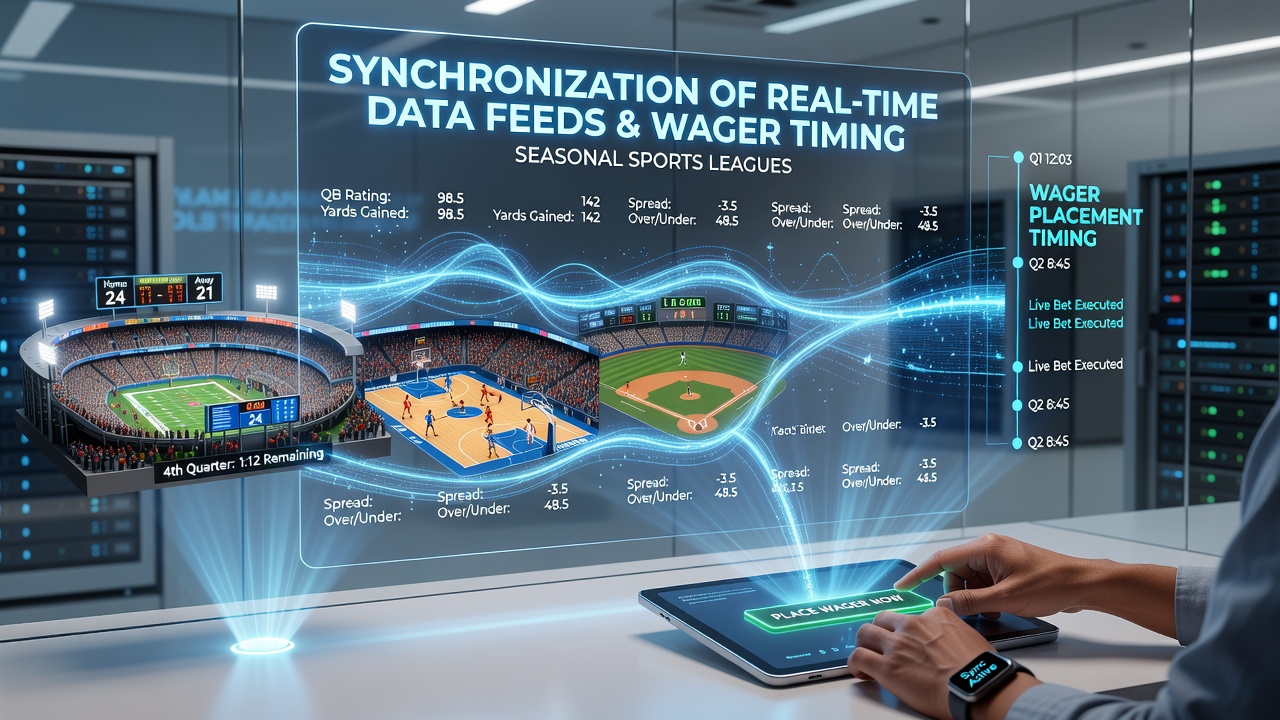
Seasonal sports leagues generate continuous streams of statistics, player updates, and event outcomes that reach betting platforms within milliseconds, creating narrow windows for wager placement that depend on precise coordination between incoming information and execution systems. Observers note that this alignment has grown more complex as leagues expand their digital tracking tools and betting operators scale their infrastructure to handle peak volumes during events like November 2026 NBA and European football fixtures.
Data Sources and Transmission Pathways
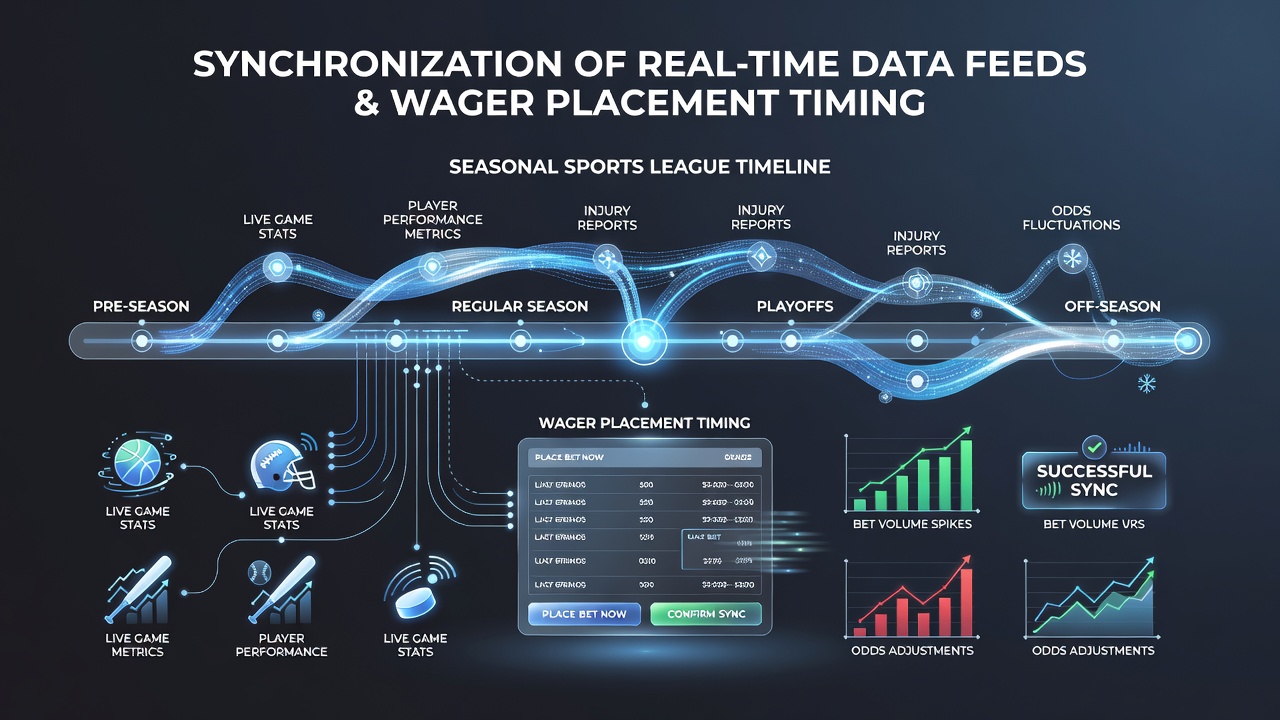
Leagues collect information through official sensors, video review systems, and third-party analytics providers that feed structured data into centralized hubs before distribution to authorized platforms. Researchers have documented how optical tracking cameras in basketball arenas and GPS devices in rugby matches produce position and performance metrics that update every few seconds, allowing platforms to adjust odds dynamically. Those who monitor these flows point out that delays of even half a second can shift available prices across multiple exchanges, particularly when multiple matches run concurrently in November schedules.
Timing Protocols and Platform Architecture
Operators maintain dedicated servers positioned near major exchange points to minimize latency between data receipt and bet confirmation, a setup that becomes critical when in-game markets open after each scoring play or substitution. Data indicates that many systems now use timestamp verification to ensure wagers match the exact state of the game at placement, reducing disputes over whether a bet occurred before or after a key event. Experts have observed that seasonal patterns matter here, because November brings overlapping leagues where one league's halftime coincides with another's opening tip or kickoff, stretching processing capacity.
Integration Challenges Across Different Leagues
Football leagues release goal and card notifications through standardized APIs that betting services subscribe to, while baseball and cricket rely on pitch-by-pitch or ball-by-ball feeds that require different parsing logic. One study revealed that mismatches in data formatting between leagues force operators to maintain separate synchronization modules, each tuned to the cadence of its sport. People who manage these systems often discover that November tournaments intensify the issue because fixture congestion raises the number of simultaneous data streams that must remain coherent.
Regulatory and Technical Standards
Authorities in several regions require timestamp logging and audit trails that prove wagers were accepted only when corresponding data had already reached the platform, a rule that shapes how operators design their acceptance logic. According to the American Gaming Association, compliance documentation now includes detailed logs of feed latency and bet acceptance intervals for every in-play market. Meanwhile the European Gaming and Betting Association has published guidance on minimum synchronization thresholds that member operators must meet during high-volume periods.
Seasonal Volume Peaks and System Load
November schedules concentrate major events across basketball, football, and rugby, producing simultaneous data spikes that test the limits of current synchronization setups. Figures reveal that average daily in-play wagers can increase by more than forty percent compared with summer months, forcing platforms to allocate additional server resources and refine their queue management. Those who've examined exchange records note that brief outages in one league's feed can cascade into pricing inconsistencies across correlated markets until the stream resumes.
Conclusion
The coordination of live data feeds with wager timing continues to evolve alongside improvements in sensor technology and network infrastructure, shaping how seasonal leagues interact with betting ecosystems. Observers expect further refinement of timestamp protocols and feed redundancy measures as November 2026 competitions approach, driven by the need to maintain consistent execution windows across expanding global schedules.