Commission Thresholds in Knockout Stage Peer Wagers: Key Considerations
Eden Simmons · Oct 22, 2026
Commission Thresholds in Knockout Stage Peer Wagers: Key Considerations
Commission thresholds shape how participants approach peer-matched wagers once tournaments reach knockout stages, and data from exchange operators shows these limits directly influence matching volumes in elimination rounds. Knockout formats compress decision windows because each outcome eliminates one side, which accelerates liquidity shifts and pushes many accounts toward their commission caps faster than group-stage play.
Core Mechanics of Threshold Structures
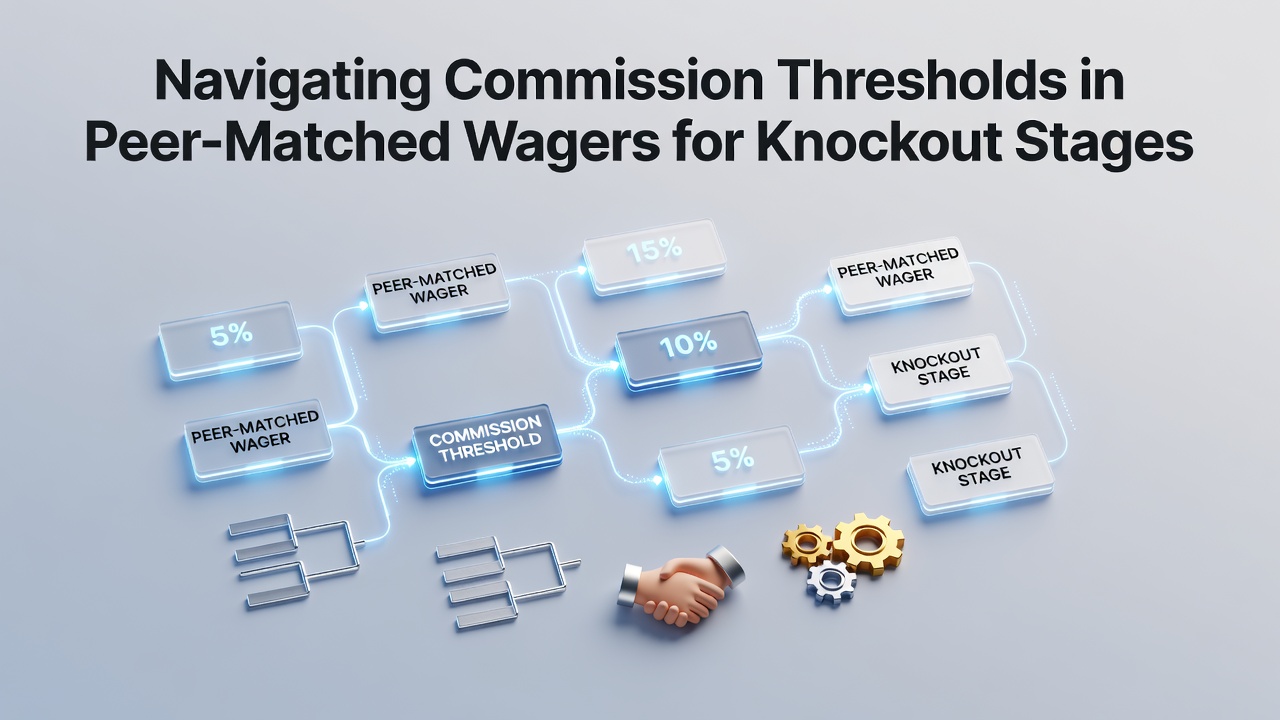
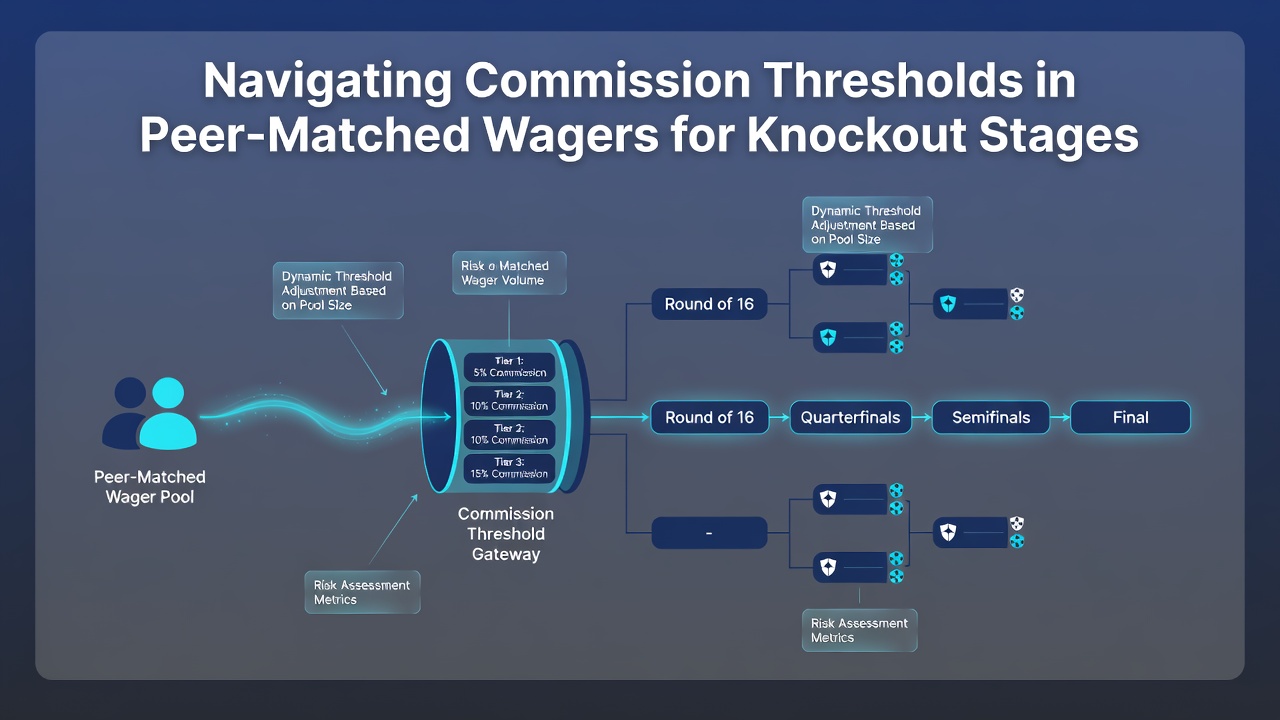
Peer-matched platforms calculate commission on net winnings per market rather than individual bets, and operators set monthly or rolling thresholds that reset at different intervals across regions. When a user exceeds the base rate, the platform applies a higher percentage on subsequent profits, so bettors who track cumulative exposure adjust stake sizes before knockout matches begin. Research from the Australian Gambling Research Centre indicates that threshold awareness correlates with steadier participation rates throughout single-elimination brackets.
October 2026 brings several high-profile knockout events that test these mechanics under elevated volumes, and exchange data reveals sharper commission band crossings during quarter-final and semi-final windows. Participants often split positions across related markets to stay beneath each tier, since one large matched wager can trigger the next band for the entire account.
Market Timing and Threshold Navigation
Early knockout rounds generate fragmented liquidity because many participants enter late, and this pattern creates brief windows where commission-efficient matching occurs before thresholds activate. Observers note that those who monitor order-book depth place smaller opposing bets across multiple exchanges to distribute exposure, thereby delaying any single platform's commission calculation. Studies compiled by the Nevada Gaming Control Board show similar distribution tactics appear in regulated exchange-style products, though volumes remain lower than major UK platforms.
Knockout schedules also overlap with settlement cycles, which means some accounts hit thresholds mid-tournament when prior winnings are still counted in the rolling total. Bettors respond by pausing activity until the next reset or by shifting to lower-stake markets that carry reduced commission bands from the outset.
Platform Differences in Threshold Application
Not every exchange applies identical band structures, and regional licensing rules determine how frequently thresholds reset and whether volume discounts apply after certain matched amounts. European operators often publish tier tables that reward consistent activity, whereas North American exchange pilots tie thresholds to verified account age and prior compliance history. Data released by the Canadian Centre on Substance Use and Addiction highlights that clearer tier communication reduces unplanned commission jumps during high-stakes knockout periods.
Participants who operate across multiple platforms therefore maintain separate running totals, since one exchange may still sit in a lower band while another has already crossed into the next percentage level. This cross-platform tracking becomes especially relevant when knockout matches finish close together, because settlement speed varies and can push an account over its limit before the next event starts.
Practical Adjustments During Elimination Rounds
Many users reduce average stake size once they near a commission band, then increase volume again after the threshold resets or after they move to a different market type. Knockout stages reward this flexibility because odds move quickly and smaller matched amounts can still secure favorable positions before liquidity concentrates on one outcome. Industry reports from the European Gaming and Betting Association note that such tactical sizing appears most frequently in tennis and snooker knockout brackets where match lengths allow rapid re-entry.
Automated alerts offered by some platforms notify users when they approach 70 or 80 percent of a threshold, giving them time to pause or redistribute wagers. Those who ignore the alerts often finish the knockout phase paying higher commission on the same net profit they would have retained under a lower band.
Conclusion
Commission thresholds remain a fixed feature of peer-matched wagering in knockout stages, and participants who track rolling totals, compare platform rules, and adjust stake distribution maintain more consistent net returns across elimination rounds. October 2026 events will continue to illustrate how these mechanics interact with concentrated liquidity, settlement timing, and cross-platform activity.