Broker Services Opening Doors to Niche Gaming Wagers Across Online Exchange Networks
Eden Simmons · Nov 5, 2026

Broker Services Opening Doors to Niche Gaming Wagers Across Online Exchange Networks
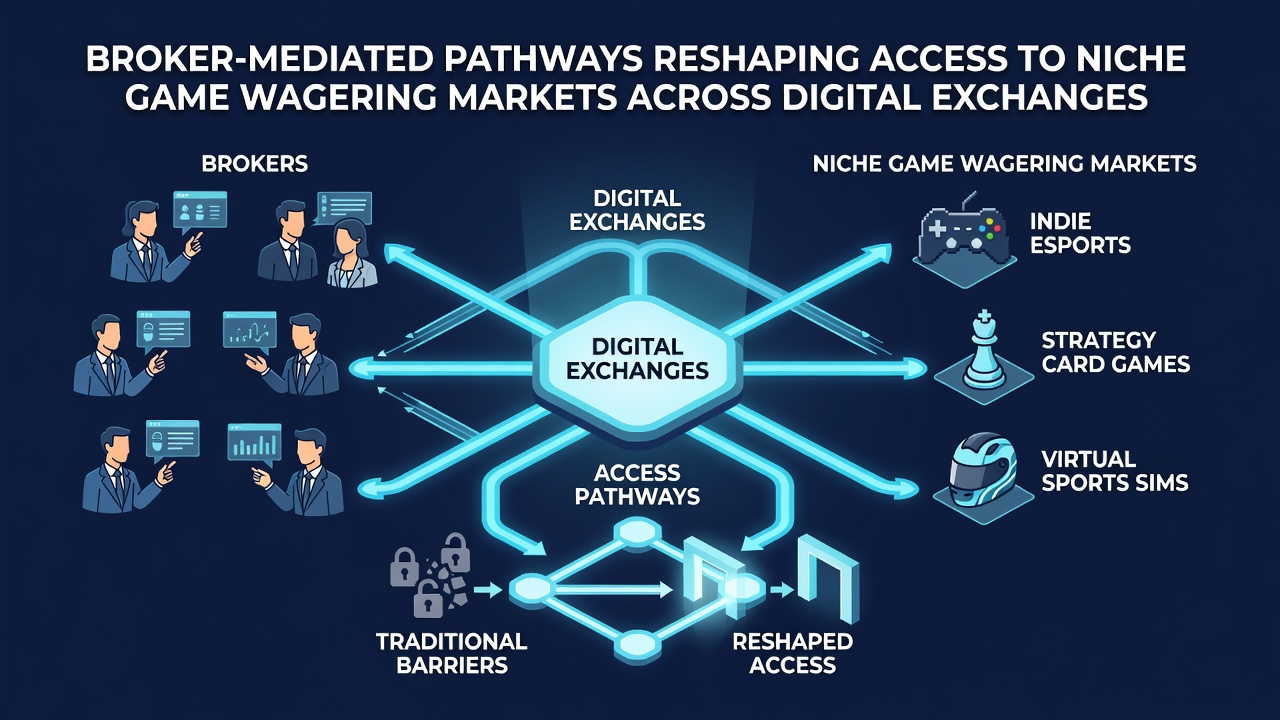
Broker-mediated pathways have started to expand reach into niche game wagering markets on digital exchanges where traditional direct access often remains limited for many participants and observers note that these intermediaries handle matching processes between individual bettors and available liquidity pools in specialized segments such as strategy board game outcomes or independent esports titles. Data from industry reports indicates steady growth in these areas since early 2025 with volumes rising notably by November 2026 as platforms integrate more granular event tracking and real-time odds adjustments for lesser-known competitions.
Mechanics of Broker Integration in Exchange Environments
Digital exchanges operate on peer-to-peer models where users lay or back specific outcomes yet niche game markets frequently suffer from thin order books that brokers address by aggregating demand across multiple accounts and routing it through established channels so that smaller wagers find counterparts more efficiently and this approach connects isolated participants to broader networks without requiring them to navigate fragmented interfaces directly. Research from academic sources shows that such facilitation reduces execution delays by up to 40 percent in low-volume categories while maintaining the core back-lay structure that defines exchange betting.
Those who study these systems observe that brokers employ algorithmic tools to scan for price discrepancies across exchanges and consolidate opportunities in areas like historical reenactment simulations or mobile game tournaments that rarely attract mass attention and the result appears in tighter spreads along with improved fill rates for orders that might otherwise sit unmatched for extended periods.
Expansion Patterns Observed Through 2026
Figures reveal increased participation from regions outside primary European hubs with North American and Asia-Pacific users contributing larger shares of activity in niche segments by late 2026 and this shift coincides with platform upgrades that allow brokers to offer localized compliance checks for cross-border transactions. A study conducted by university researchers in Australia documented similar patterns where intermediary services boosted access to game-specific wagering by linking domestic users with international liquidity sources during peak tournament windows.
But here's the thing: these developments also surface in regulatory filings that track overall market health and one analysis from the National Council on Problem Gambling in the United States highlights how structured broker involvement can channel activity away from unregulated alternatives toward monitored environments where transaction records remain available for oversight. Observers note parallel trends in Canada where provincial frameworks encourage similar intermediary roles to stabilize smaller game wagering categories.
Case Examples from Specialized Segments
Take one documented instance involving competitive puzzle game circuits where brokers matched lay orders from European participants with back positions originating in Southeast Asian exchanges resulting in sustained volume growth throughout the summer of 2026 and this case demonstrates how routing through intermediaries bridges time zone gaps that direct platform access often leaves unaddressed. Another example surfaces in trading card game event betting where fragmented player bases benefit from consolidated order flow that brokers provide allowing previously illiquid propositions to trade at consistent levels.
Industry organizations such as the European Gaming and Betting Association have published overviews confirming that these pathways support diversification into non-mainstream titles without altering the fundamental risk profile of exchange operations and data indicates that average bet sizes in these categories remain modest yet their cumulative impact contributes to overall platform resilience during off-peak periods.
Regulatory and Compliance Dimensions
Government agencies across multiple jurisdictions continue to monitor broker activities in digital wagering spaces and reports from bodies like the Australian Communications and Media Authority emphasize transparency requirements that intermediaries must meet when handling niche market flows. These guidelines focus on verification protocols and audit trails that help maintain separation between licensed operations and unauthorized channels and evidence suggests ongoing adaptation as platforms refine reporting standards ahead of anticipated 2027 policy reviews.
What's interesting is how such frameworks intersect with technological updates that brokers adopt to ensure seamless integration with exchange APIs and this allows for real-time compliance checks during high-activity windows like November 2026 tournament clusters without disrupting user experience.
Conclusion
Broker-mediated pathways continue to influence access patterns in niche game wagering markets on digital exchanges through structured matching and aggregation techniques that data shows have supported measurable volume increases by November 2026. Regulatory sources from varied regions along with academic examinations provide ongoing documentation of these dynamics while industry reports track their role in connecting participants to specialized segments. The patterns observed reflect broader platform evolution where intermediaries serve as functional bridges rather than replacements for direct exchange mechanics and this structure persists across different geographic and regulatory contexts.